Fall foliage is beautiful — until it covers your lawn. Left unchecked, a thick layer of leaves can smother grass, create disease-friendly conditions, and invite pests.
Why Leaf Removal Matters
A mat of wet leaves blocks sunlight and traps moisture, creating the perfect environment for snow mold and other fungal diseases. By spring, the grass underneath may be dead or severely weakened.
When to Remove Leaves
- Light coverage (under 30%): Mulch them with your mower — they'll decompose and feed the soil.
- Moderate coverage (30–60%): Rake or blow weekly.
- Heavy coverage (60%+): Remove immediately, especially before rain or snow.
Tools That Make the Job Easier
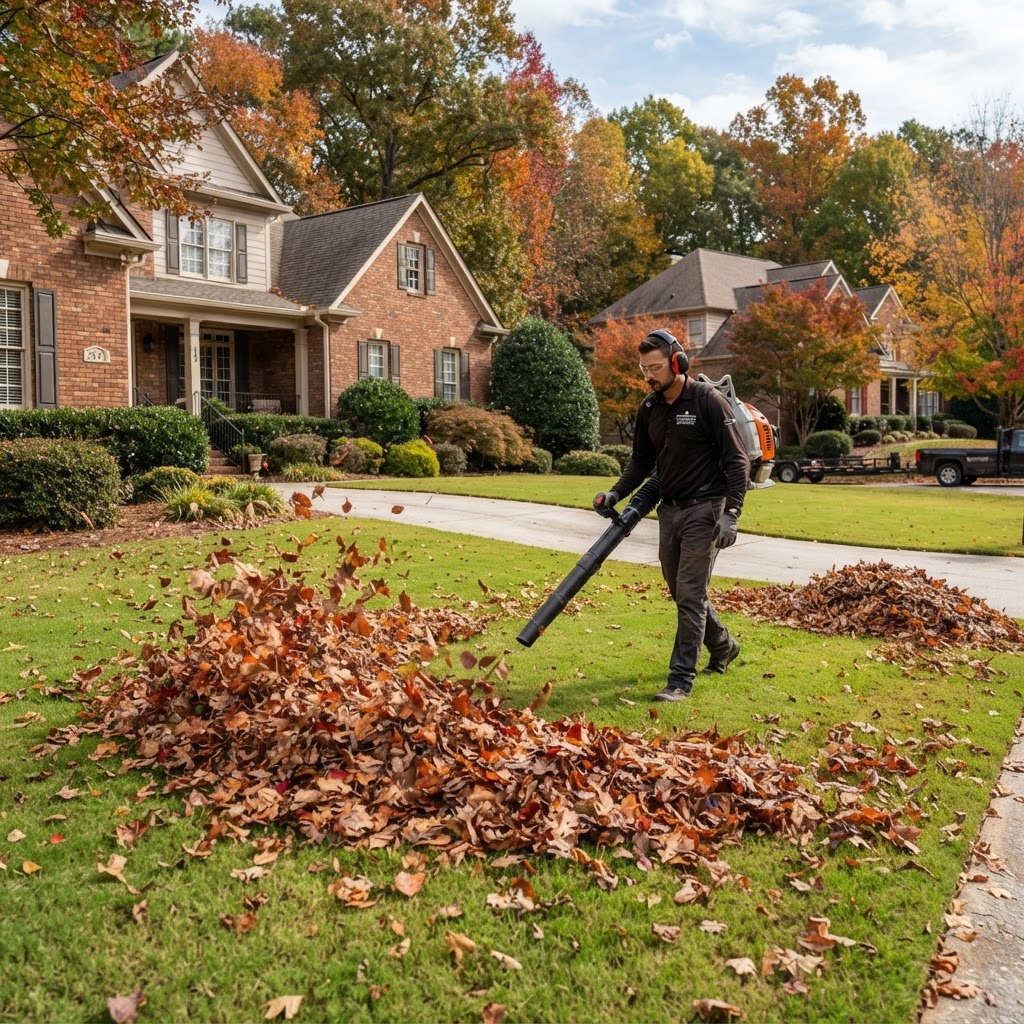
- Backpack blower: Faster than raking, especially for large yards.
- Mulching mower: Grinds leaves into fine particles that decompose quickly.
- Tarps: Drag leaves to your compost pile or curb with minimal effort.
Don't Forget the Beds
Leaves in garden beds can be beneficial as mulch, but remove leaves that pile up against tree trunks or house foundations — they invite pests and moisture damage.
Compost or Dispose?
Shredded leaves make excellent compost. If your town offers leaf collection, bag or pile them according to local guidelines.
Too Many Leaves? We Can Help
LawnSmart offers professional leaf removal services. Our crews handle everything from blowing and bagging to hauling and disposal. Book early — fall slots fill up fast!
Ready for a Healthier Lawn?
Book a professional LawnSmart service today. Free estimates, certified technicians.
Book a Service