Orlando Lawn Care & Landscaping: The Complete Homeowner's Guide
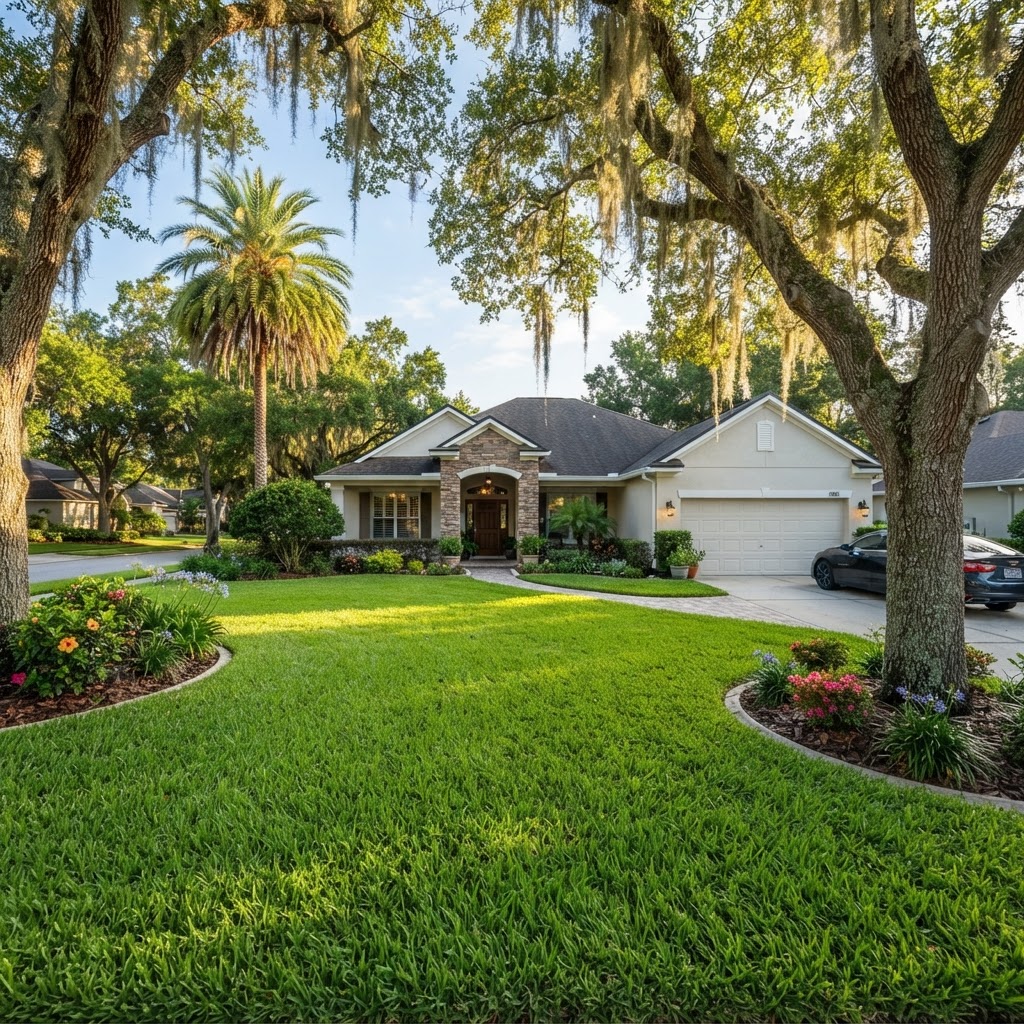
Orlando Lawn Care: A 12-Month Job in a Subtropical Climate
Orlando lawns don't get a winter break the way northern yards do. With Central Florida's long growing season, sandy soil, and a rainy season that runs from May through October, your St. Augustine or Zoysia lawn needs attention nearly every week of the year.
This guide covers what Orlando and Central Florida homeowners need to know: the right grass, the watering rules, mowing schedules, fertilization blackout periods, the pests that hit hardest here, and when it's worth calling a local pro.
Best Grass Types for Orlando Lawns
The most common turfgrasses in Orlando are:
1. St. Augustine
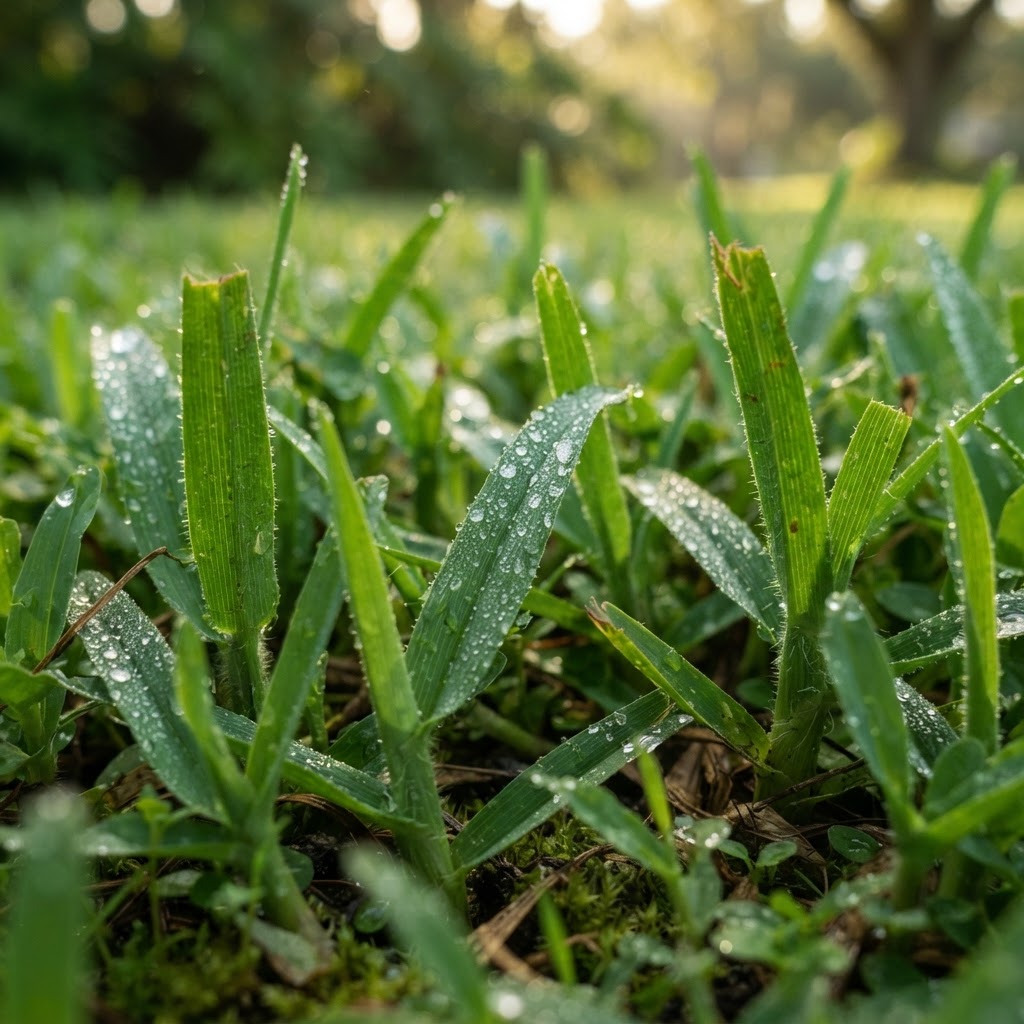
The dominant lawn grass in Central Florida. Cultivars like Floratam and Palmetto handle Orlando's heat and moderate shade well. The trade-offs: it needs consistent water, is susceptible to chinch bugs and large patch fungus, and should be mowed high (3.5 to 4 inches).
2. Zoysia
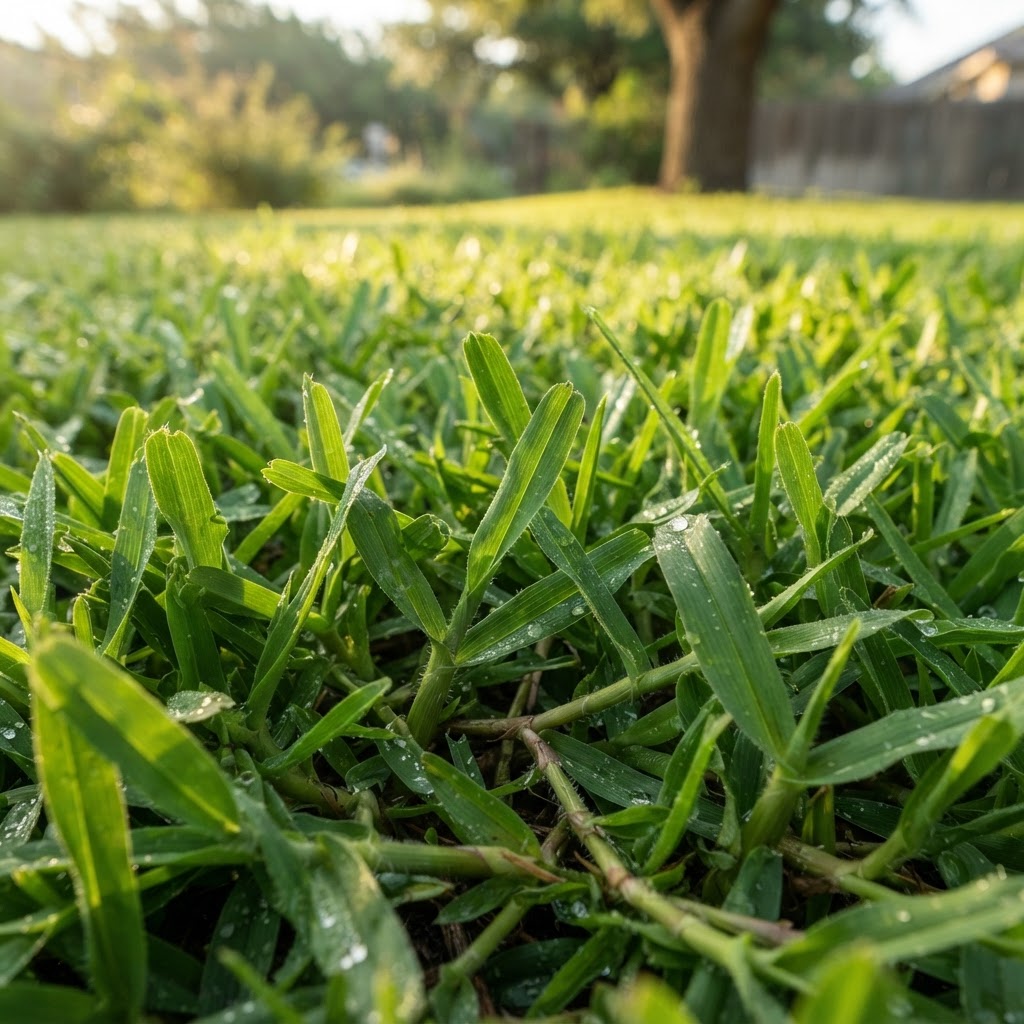
A premium option that's growing fast in newer Orlando communities like Lake Nona and Horizon West. Zoysia forms a dense, soft carpet, handles foot traffic, and needs less water than St. Augustine once established. It wants full sun and a sharp mower blade.
3. Bahia
Common on larger lots and homes in more rural parts of Orange, Lake, and Osceola counties. Bahia survives on rainfall alone and needs little fertilizer, but it's open and coarse with seed heads that pop up constantly.
4. Bermuda
Best for full-sun yards and homeowners who want a manicured look. Bermuda tolerates low mowing and heavy use, but it demands frequent mowing and consistent feeding.
Watering: Restrictions and Rainy Season
Most of Orlando sits in the St. Johns River or South Florida water management districts, where lawn watering is limited to two days per week (addresses ending in odd numbers water Wednesday and Saturday; even numbers Thursday and Sunday), and prohibited between 10 a.m. and 4 p.m.
The good news: from late May through early October, afternoon storms do most of the work for you. During rainy season, your irrigation system often does more harm than good. If your sprinklers are running after a week of daily storms, you're encouraging fungus and shallow roots.
The golden rule: water deeply, early in the morning, only when the lawn shows stress, and turn your system to rain-sensor mode for the summer.
Mowing Schedule for Central Florida
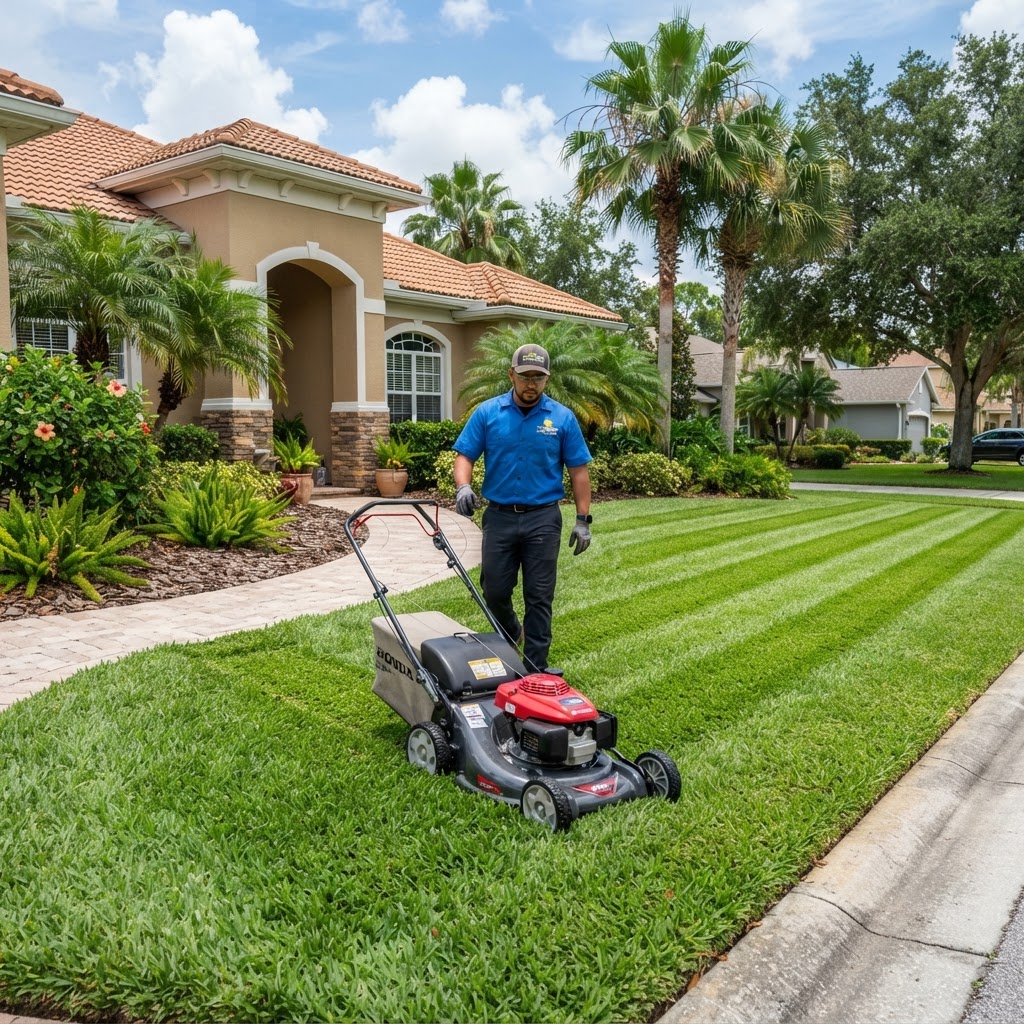
- March through November: weekly for St. Augustine and Bermuda during peak growth; biweekly works in cooler shoulder months
- December through February: growth slows but doesn't stop. Many Orlando lawns still need a light cut every two to three weeks
- Never remove more than one-third of the blade in a single mowing
- Mow high: 3.5 to 4 inches for St. Augustine. Scalping is the fastest way to invite weeds and chinch bugs
- Keep blades sharp. Florida's coarse grasses tear badly under dull blades and the torn tips brown out
Fertilizer: Timing and Local Blackout Rules
Orange, Seminole, and Osceola counties all enforce a summer fertilizer blackout (typically June 1 through September 30) to protect lakes and the springs feed from nitrogen runoff. Feed your lawn:
- Early spring (late March to April): a balanced slow-release fertilizer as green-up begins
- Fall (October to November): the most important feeding of the year. A potassium-rich application helps St. Augustine survive winter stress
- Skip nitrogen entirely during blackout months
Pests and Problems Unique to Central Florida
- Chinch bugs: the number one St. Augustine killer in Orlando. Watch for yellowing patches along hot, sunny, drought-prone edges like driveways and sidewalks
- Large patch (brown patch) fungus: active in the cooler, wetter months of fall and spring. Avoid excess nitrogen in October and November
- Armyworms and sod webworms: can strip a lawn in days during late summer. Irregular chewed patches that spread fast are the tell
- Mole crickets: tunnel through sandy soil, mainly damaging Bahia and Bermuda
- Take-all root rot: shows up on stressed St. Augustine after rainy seasons. Thatch control and proper mowing height are your best defense
A Simple Orlando Calendar
Spring (Mar to May): first fertilizer, raise mowing height, watch for chinch bugs, spring oak leaf drop is coming
Summer (Jun to Sep): fertilizer blackout, let the rain water, mow weekly, watch for armyworms after storms, sharp blades matter most now
Fall (Oct to Nov): the key fertilization window, treat large patch early, scale back irrigation as storms fade, leaf cleanup begins
Winter (Dec to Feb): minimal mowing, water only during dry spells, plan spring projects, pressure wash the green mildew off the driveway
When to Call a Pro
If you're spending every Saturday behind a mower, or your lawn has chinch bug damage, fungus, or bare patches that aren't recovering, a local service makes sense. LawnSmart covers Orlando and the surrounding communities with instant online quotes, satellite-measured pricing, and vetted local crews. Get your price in under a minute at mylawnsmart.com.
Ready for a Healthier Lawn?
Book a professional LawnSmart service today. Free estimates, certified technicians.
Book a Service